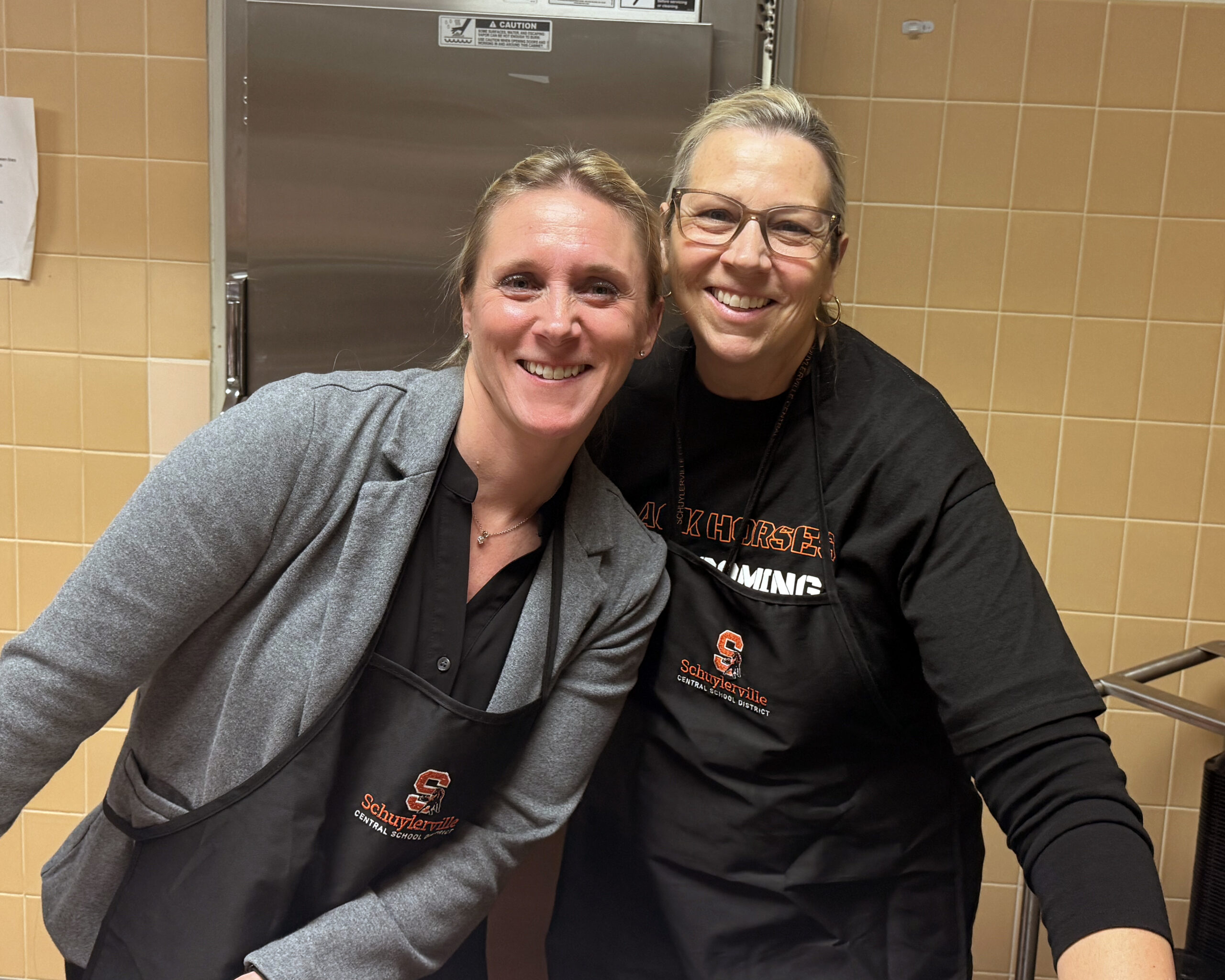
Food Service Director Sarah Keen tailors her breakfast program to reach students of every age.
As New York schools enter the final stretch to summer break, they have a lot to celebrate. The 2025-2026 school year marked the start of statewide universal free school meals for all students, and early data show strong growth in participation.
In October 2025, schools served 18.2 million breakfasts (up 8.9 percent from the previous year) and 34.5 million lunches (up 5 percent), according to the New York State Education Department.
Even with this progress, school breakfast remains underutilized, with schools serving about half as many breakfasts as lunches.
At Schuylerville Central School District, Sarah Keen is addressing that gap by adapting different strategies for different grade levels.
A tailored approach: How Schuylerville CSD makes breakfast work for students of all ages
High school: Offer choice and fuel for busy schedules
At the high school, student input shapes the menu. “We have a strong athletics program here, so a lot of kids are looking for more protein,” says Keen.
Keen and her team honor this request by offering options like egg bakes, breakfast sandwiches, and smoothies to meet the needs of active students.
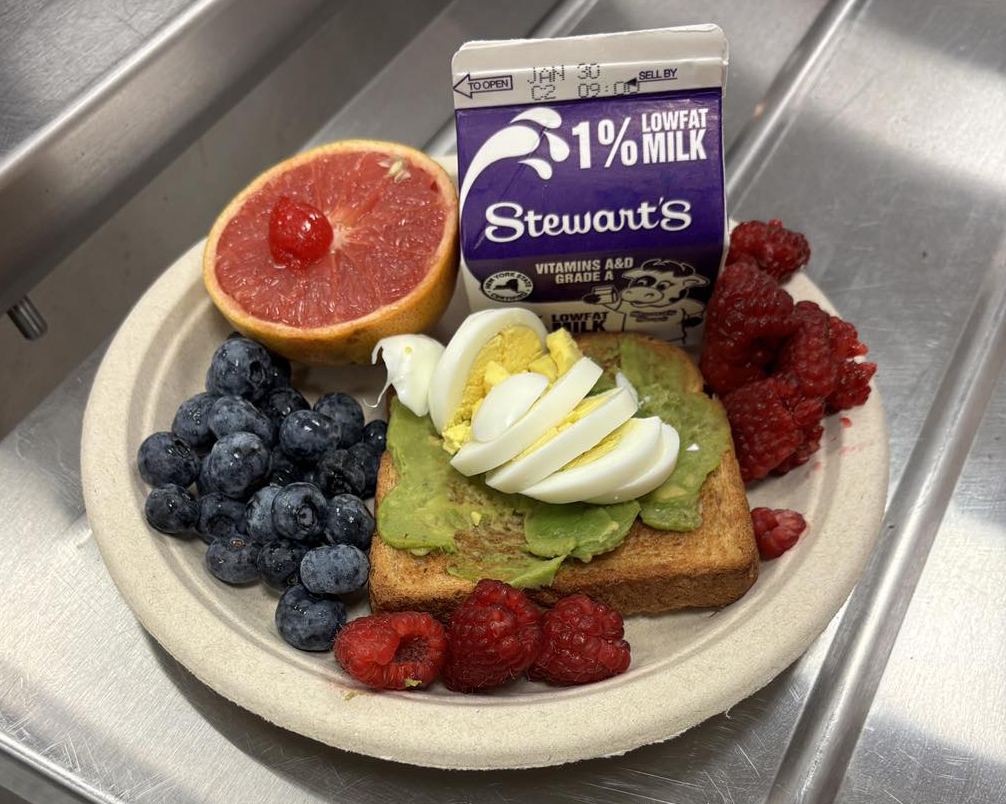
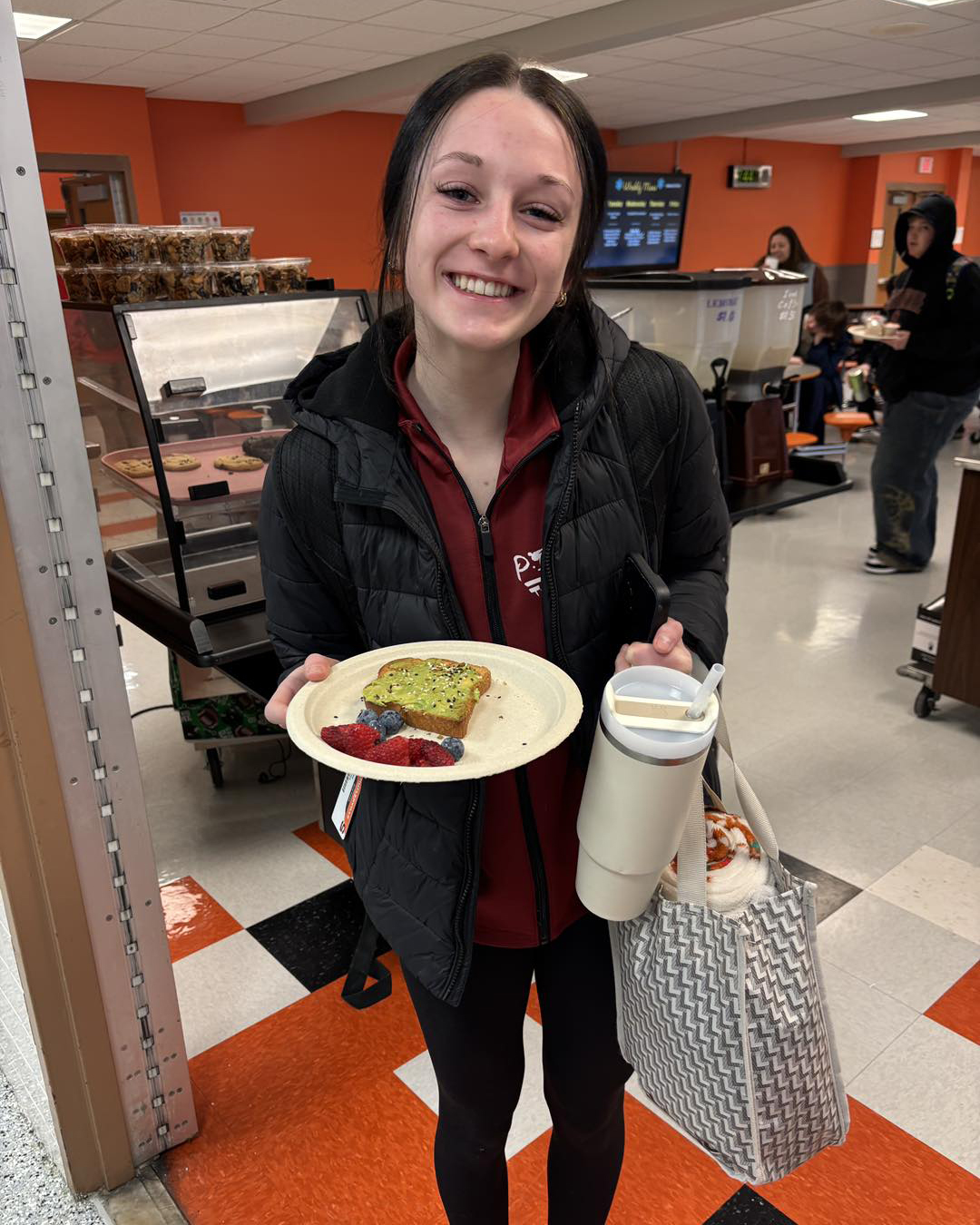
Older students also appreciate variety, notes Keen, and “they want to build [breakfast] their way.” Her team creates opportunities for customization through “Build Your Own” days featuring avocado toast with toppings, an oatmeal bar, and smoothie bowls.
Elementary school: Keep it simple and make it fun
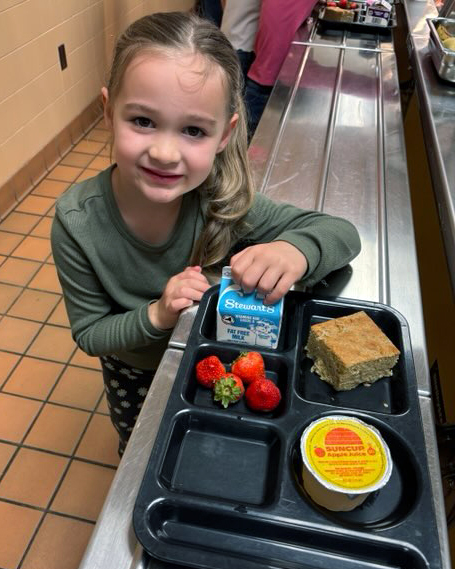
Keen takes a different approach at the elementary level, where too many options can overwhelm students and slow down service. She looks for holidays and other themes to inspire the menu, from National Hot Chocolate Day in January to Major League Baseball Opening Day in March.
“The younger kids, they want color, they want flavor, they want excitement,” explains Keen. “So, we celebrate every opportunity we get!”
Middle school: Make it convenient and visible
For Schuylerville’s middle schoolers, traffic flow and social dynamics presented the biggest barrier to breakfast. Students had to use the elementary building entrance to access breakfast in the shared cafeteria, which meant bypassing their own entrance to walk in with the younger kids—a deal-breaker for many. “We knew they didn’t want to leave their friends,” says Keen. “So even after meals became free, we still almost had this breakfast stigma.”
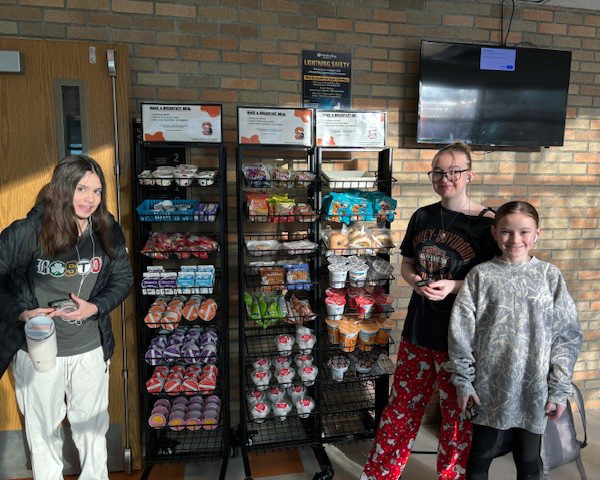
Keen’s solution: a dedicated breakfast cart in the middle school lobby.
“You can’t miss it as you walk in the front doors in the morning,” says Keen, “We’re feeding so many more kids breakfast than we used to.”
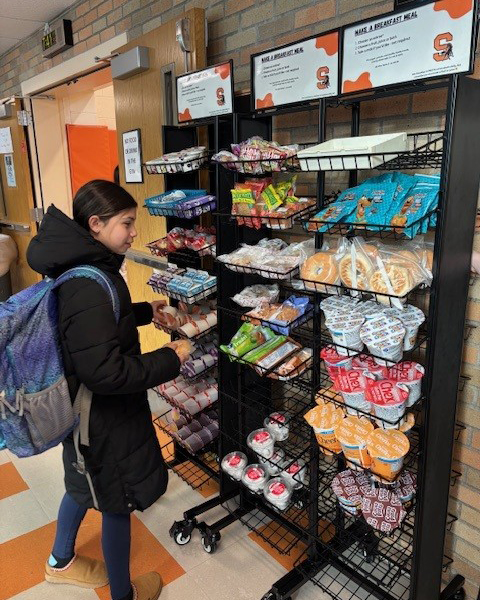
Since launching the cart, breakfast participation at the middle school has jumped from less than 10 percent to nearly 30 percent.
Beyond this boost to participation, teachers also noticed fewer behavior and tardiness issues now that middle school students can get breakfast in their building.
“We’ve [received] nothing but positive feedback from teachers,” says Keen. “They’re glad that the kids are in class on time, and they just sit, and they eat, and it’s not a big deal.”
Engaging the whole school community
To keep her menus fresh and appealing for students, Keen invites them to share feedback through surveys, comment boxes, visits with student clubs, and everyday conversations on the serving line.
“My staff are great about trying to ask for feedback. We take [students’] criticism gracefully, and then they seem to be willing to share openly and honestly, so we get a lot of great ideas.”
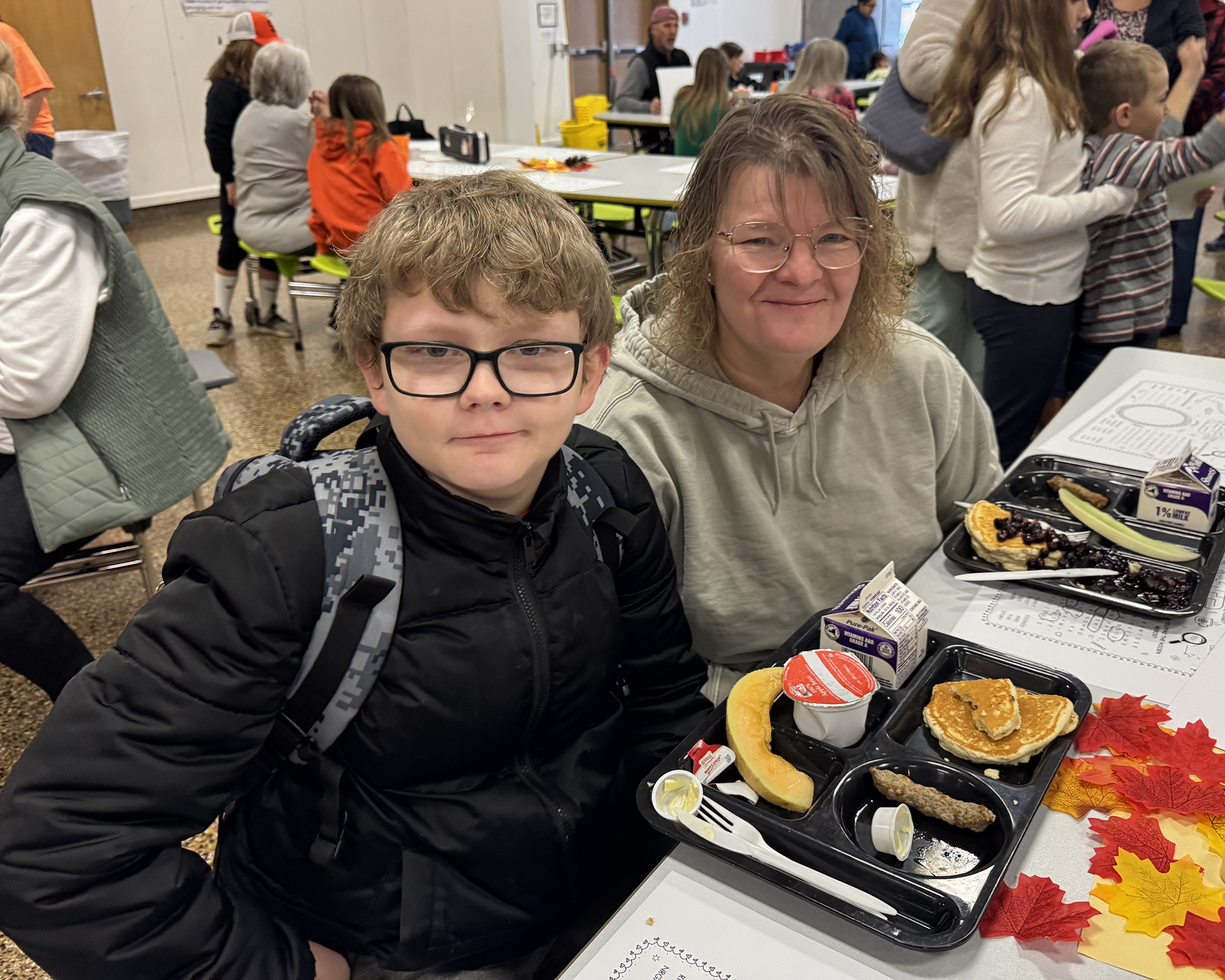
Families are part of the strategy, too. Traditions like “Grandparents Breakfast” bring awareness to Schuylerville’s breakfast program several times a year. One event served 250 breakfasts! While students enjoy freshly flipped pancakes and fruit with their grandparents, school leaders and parents volunteer on the serving line.
“It’s really fun, because those administrators, like our business official, don’t always get a lot of face time,” says Keen. “They see the invoices, but they don’t actually see the action, so it always starts some great conversations.”
Planning for next school year
As schools look ahead, Schuylerville’s approach offers a clear takeaway: New York’s Universal Free School Meals program has removed the cost barrier, but schools can still feed more kids by making breakfast more accessible, convenient, and appealing. Keen’s advice for schools growing their breakfast program is make the case with data:
“More than one in four students in our school district come from food-insecure homes. We need to make sure that they don’t have any barriers to getting food when they’re here on campus.”
Three ways to get started:
- Communicate that school meals are free for all students using our Universal Meals Outreach Toolkit
- Make breakfast part of the school day with innovative models. Consider piloting in one classroom or building.
- Help school leaders understand their role: Highlight how school breakfast benefits students and ways school leaders can help reach more students.