Every week, the children at The Academy for Young Scholars in Binghamton, New York, share nutritious, thoughtfully prepared meals and snacks that encourage positive eating habits and nourish their growing bodies and minds. For over a decade, owner and educator Anna Raheem has created positive mealtime experiences for the kids in her program, supported by the Child and Adult Care Food Program (CACFP).
CACFP provides reimbursement for nutritious meals and snacks served to children in eligible childcare and afterschool programs. As a CACFP Ambassador, Anna shares how the program supports children and families at the Academy and what other providers can learn from her experience.
Mealtime as a Learning Opportunity
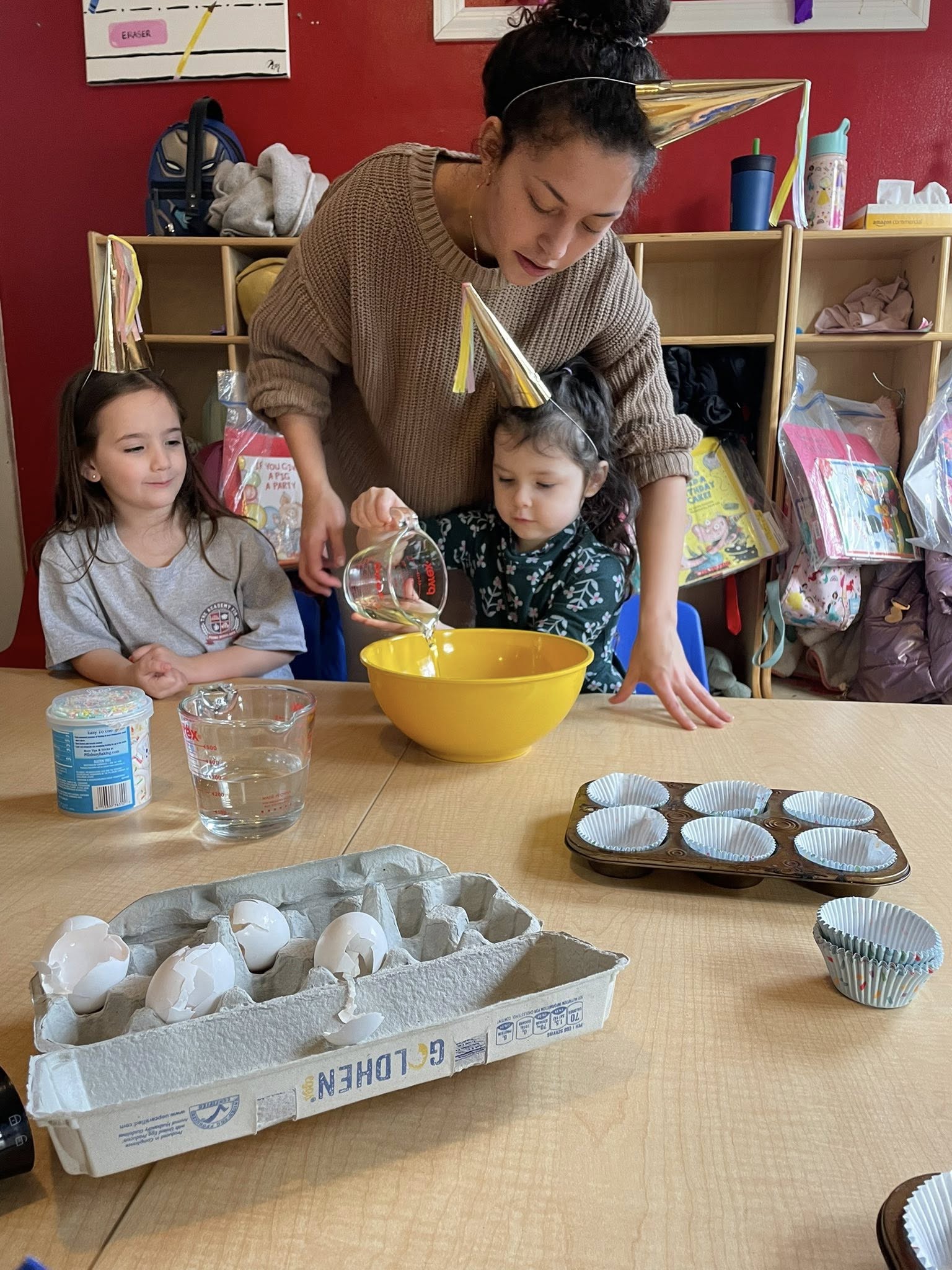
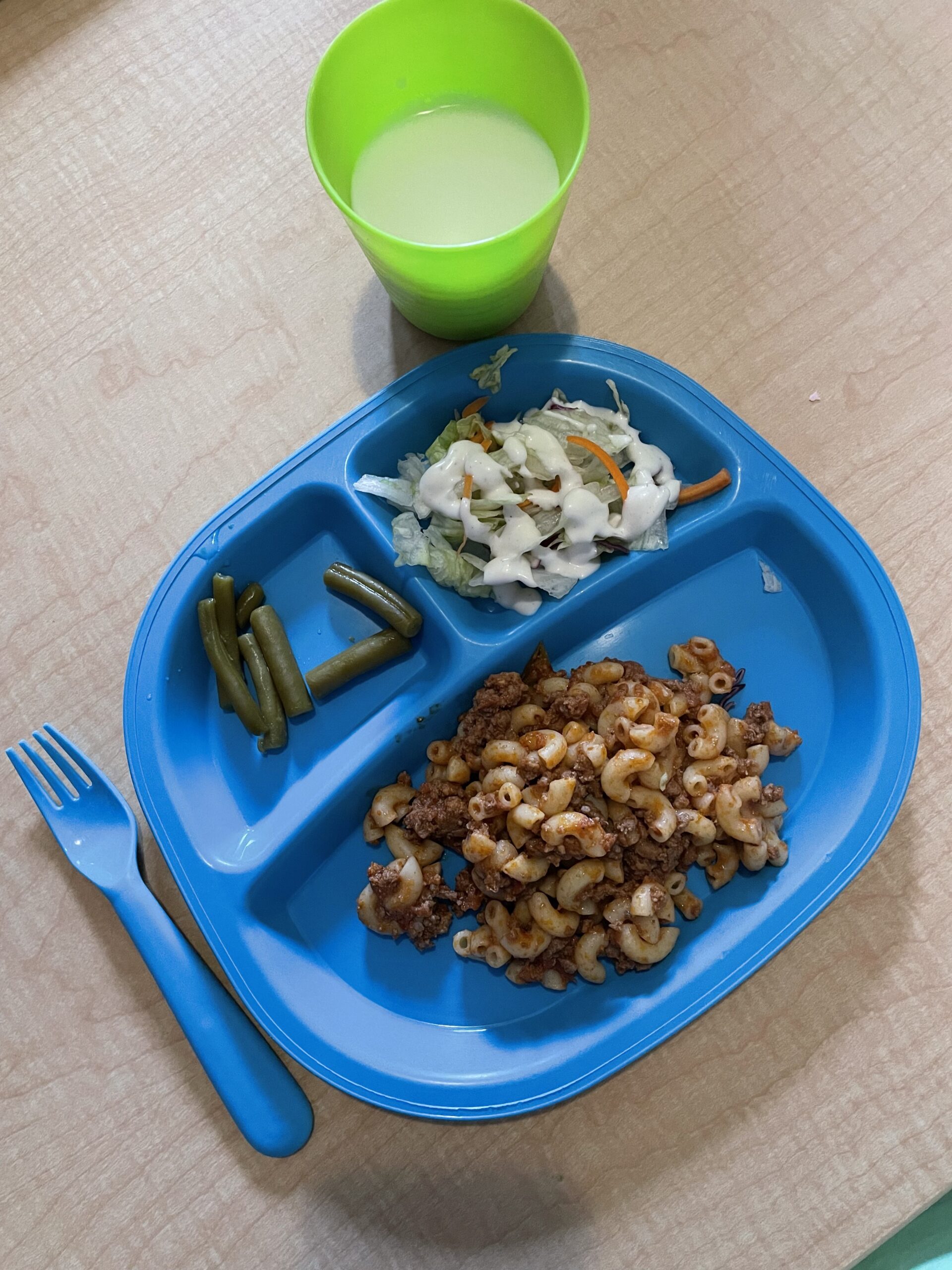
At the Academy, which serves children from six weeks through 12 years old, mealtime is woven into the learning day. Through play-based learning and hands-on cooking activities, Anna builds positive food habits that children carry with them long after they leave her care. Menu favorites include chicken nuggets with rice, spaghetti and meatballs, breakfast-for-lunch, and pizza. Popular snacks include pretzels with hummus, yogurt with granola, and cheese with crackers, simple options that children can help prepare as part of daily programming.
Earlier this year, the Academy marked its 11th anniversary with a fitting celebration: preschoolers baked a cake together, a small but meaningful milestone for a program that has spent over a decade nourishing its community.
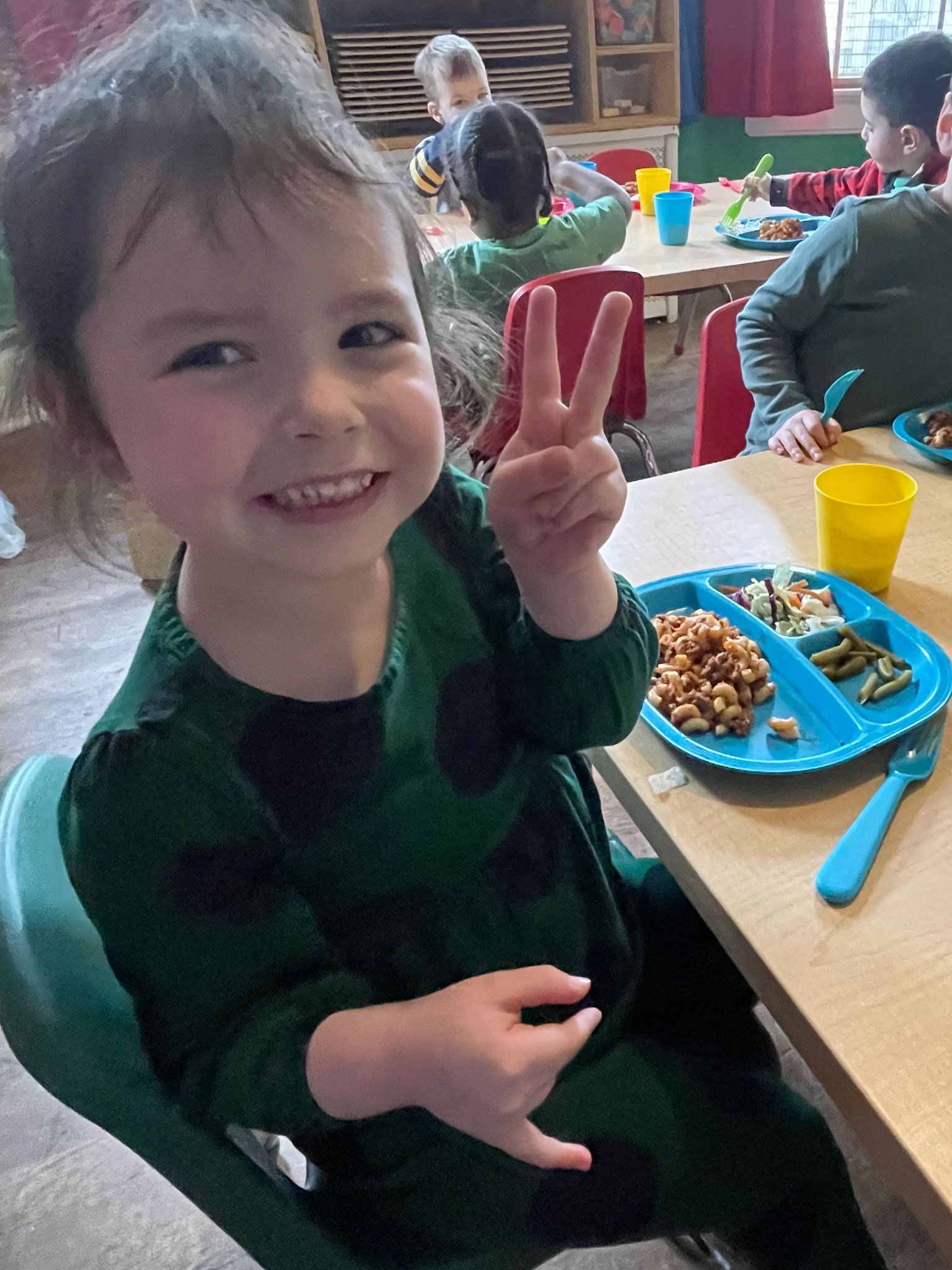
How CACFP Makes a Difference
CACFP reimbursement helps ensure children have consistent access to nutritious, well-balanced meals while in care. For Anna, the benefits extend well beyond the food itself. “CACFP supports healthy growth and development, encourages positive eating habits, and helps relieve food insecurity for families in our community,” she says. Participating providers also gain access to training and support resources that strengthen overall program quality. As Anna puts it, “CACFP plays an important role in helping us meet the needs of the families we serve.”
Thinking About Joining CACFP?
Anna’s advice to providers considering the program is practical: Start small and stay organized. Take time to learn CACFP guidelines and build simple, kid-friendly menus that meet the requirements. Involving staff and children, when appropriate, in meal preparation makes mealtimes more meaningful and educational. “Once routines are in place,” she says, “it becomes a seamless and rewarding part of daily programming.”
Many licensed or registered childcare programs in New York are eligible to participate. Visit the New York State Department of Health’s webpage or use their pre-screening tool to learn if your program qualifies.
Learn More about CACFP
Email Kayla.Snyder@HungerSolutionsNY.org or visit ChildcareMealsNY.org.